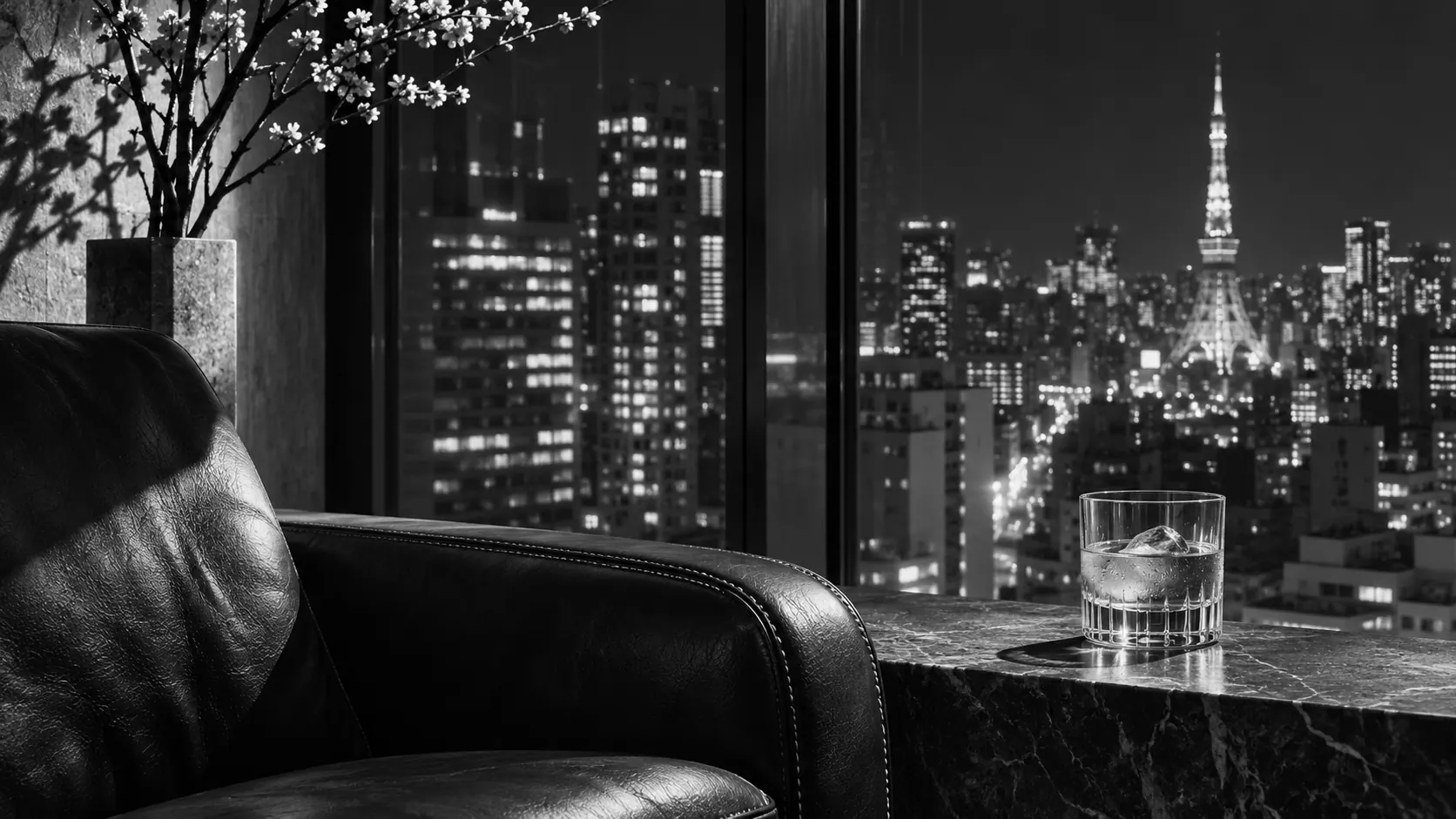
Invitation-only clubs, discreet residences, Kyoto linkage

Tokyothe guide.

Tokyo's best experiences are small, booked and built on trust. Many restaurants, bars and clubs do not accept first-time guests without an introduction, so the quality of the hotel concierge or the local host decides the trip. Money helps less here than anywhere else in this atlas; manners help more.

Places
115
Chapters
13
Best months
Late March to mid-April (cherry blossom) and mid-October to early December (autumn colour)
Best months
Late March to mid-April (cherry blossom) and mid-October to early December (autumn colour)
Avoid
Golden Week (29 April to 5 May), Obon in mid-August, and 29 December to 3 January, when much is closed
Private jet airports
Haneda RJTT (few slots, 4-night parking limit) and Narita RJAA (Premier Gate terminal)
Tipping
None. It causes confusion; a small wrapped gift is the polite alternative
Reservations
Cancellations and no-shows are charged in full, and lateness can forfeit the seat
Kyoto
2 hours 15 minutes by shinkansen from Tokyo Station; send luggage ahead by courier
Etiquette
No strong perfume at sushi counters; shoes off where indicated; quiet voices
Language
English is limited outside hotels. A bilingual guide or host is worth the cost

01

Lay of the land

  1. Marunouchi, Otemachi and Nihonbashi

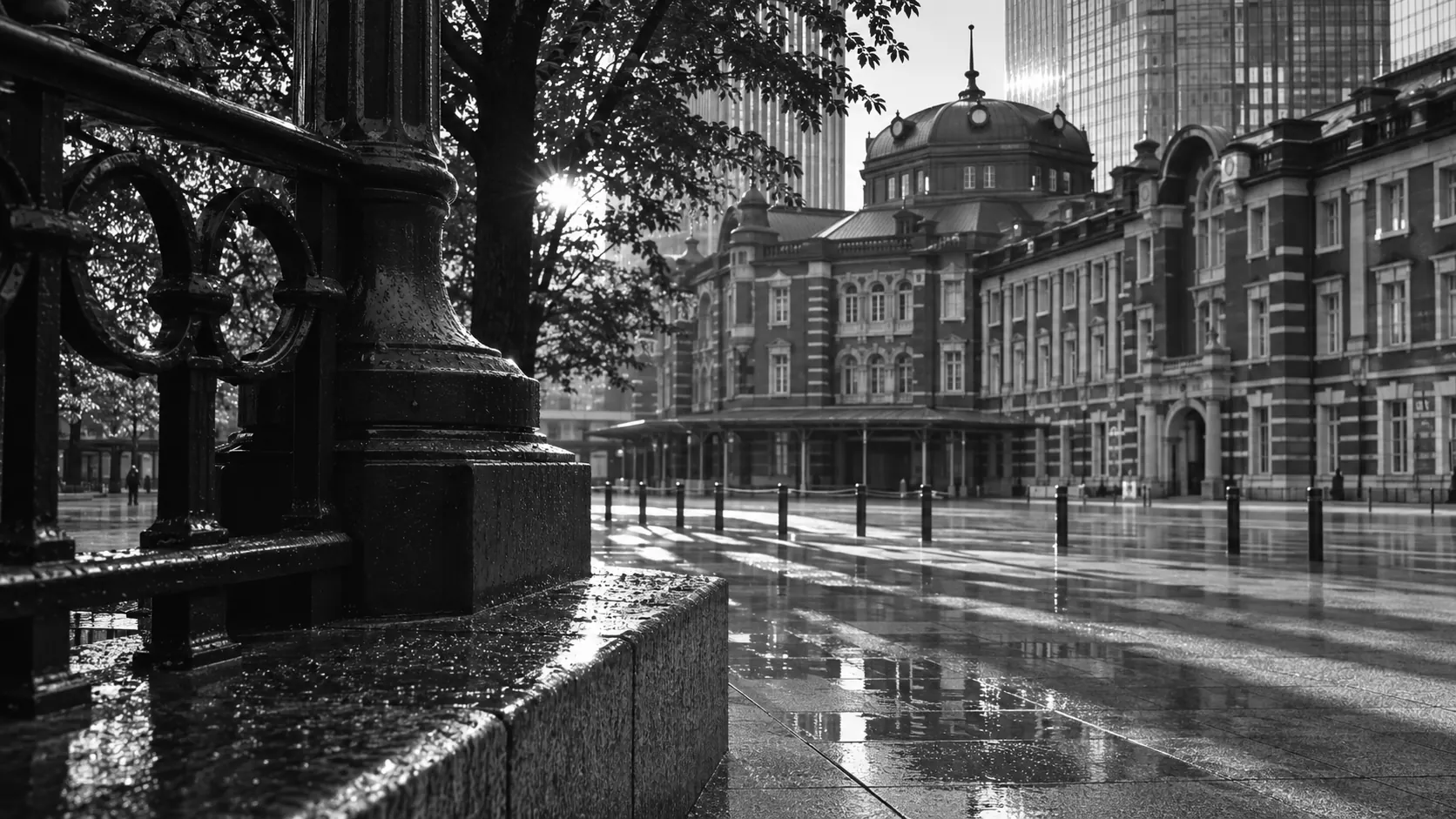
    The business district around Tokyo Station and the palace moat holds the Aman, both Four Seasons, the Palace Hotel, the Mandarin Oriental, the Bulgari and Hoshinoya. Nihonbashi's old merchant houses sell knives, paper and dried bonito a few streets away. The most convenient base, with the bullet train at the door.
  2. Ginza

    The grid of flagship stores hides the greatest density of sushi counters, classic cocktail bars and private clubs in the country, most of them on upper floors behind unmarked doors. Evenings here are for those with reservations.

  3. Roppongi, Azabudai and Toranomon

    The Mori developments (Roppongi Hills, Toranomon Hills and Azabudai Hills, which contains Janu Tokyo and the Aman Residences) concentrate international residents, galleries and members' dining clubs. The Okura, the Ritz-Carlton and the Edition are here.

  4. Aoyama, Omotesando and Shibuya

    Architecture-led flagship stores, the Nezu Museum, the best coffee and the new Soho House. The residential lanes of Shoto and Minami-Aoyama behind them are among the most expensive in the city.

  5. Azabu, Hiroo and Shirokane

    Low-rise hills of embassies and discreet apartment buildings where senior executives and long-term foreign residents live, with small restaurants that rarely see a tourist.

  6. Asakusa, Kuramae and Yanaka

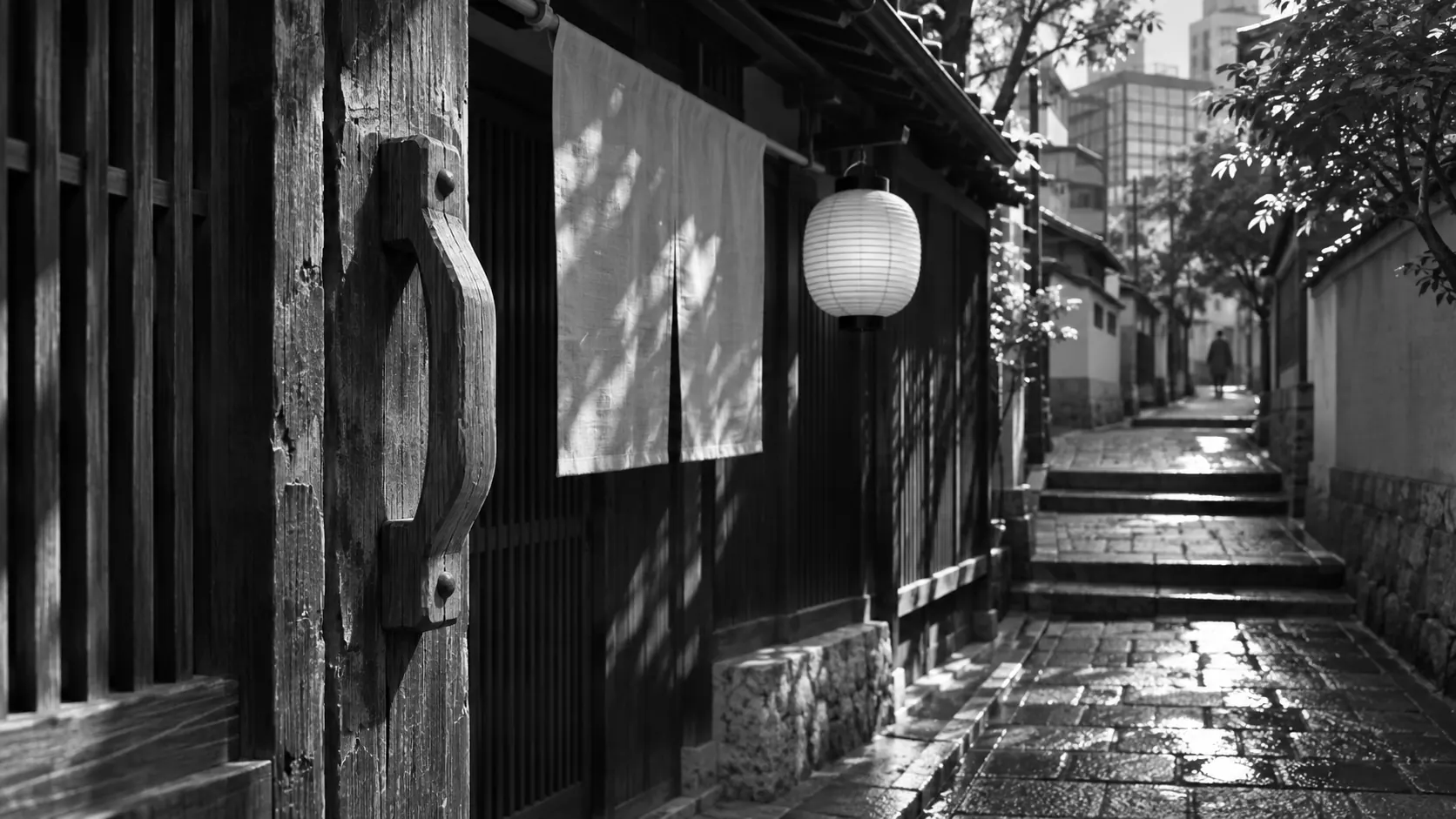
    Temples, wooden shopfronts and workshops making knives, paper, brushes and notebooks. The place for a morning with a guide and for presents that cannot be bought elsewhere.

  7. Beyond Tokyo: Kyoto, Hakone, Karuizawa

    Kyoto is the natural second stop, with its own ryokan and temple circuit. Hakone's hot-spring inns are 90 minutes away, and Karuizawa, an hour by train, is where Tokyo's established families keep summer houses.

02

Hotels

Tokyo's luxury hotels sit at the tops of towers. Choose by district and by whether the guest wants Japanese character or international polish.

  1. Aman Tokyo

    Eighty-four very large rooms in washi, stone and timber around a lobby the height of a cathedral, with a 30-metre pool looking at the palace gardens and, on clear days, Mount Fuji. The concierge desk is among the best connected in the city.

    Otemachi Tower, floors 33 to 38

    TipCorner suites give views of both the palace and Fuji. Ask the concierge about restaurant introductions before arrival, not on the day.

  2. Janu Tokyo

    Opened in 2024 with 122 rooms, eight restaurants and bars and a wellness centre of about 4,000 square metres with a 25-metre pool. Livelier and more connected to the neighbourhood than Aman, with the Aman Residences in the tower next door.

    Azabudai Hills

  3. Bulgari Hotel Tokyo

    Opened in 2023 beside Tokyo Station with 98 rooms, a 25-metre pool, an eight-seat sushi counter and a rooftop bar with a terrace, which is rare at this height. The Bulgari Suite is among the largest in the city. It and The Bvlgari Spa hold Forbes Travel Guide five stars.

    Yaesu, floors 40 to 45

  4. Four Seasons Hotel Tokyo at Marunouchi

    Fifty-seven rooms and the three-star Sézanne. Staff meet guests on the bullet-train platform and walk them to the hotel. The sister hotel at Otemachi has the views and the pool.

    Beside Tokyo Station

  5. Palace Hotel Tokyo

    The only top hotel with open balconies over the palace moat. Independent and Japanese-run, with deeply courteous service and several strong restaurants. Favoured by visitors who return every year.

    Marunouchi, on the moat

  6. The Okura Tokyo

    Rebuilt in 2019 with the celebrated 1962 lobby recreated piece by piece. The Heritage wing is the smaller and more Japanese of the two. It has a tea-ceremony room and deep ties with the diplomatic world.

    Toranomon

  7. Park Hyatt Tokyo

    Reopened on 9 December 2025 after a renovation of about 19 months that refreshed the rooms while keeping the New York Bar and the library mood. Shinjuku is less central, but the views west to Fuji are the best in town.

    Shinjuku, floors 39 to 52

  8. Hoshinoya Tokyo

    A Japanese inn stacked vertically: tatami floors, a shared tea lounge on each floor and a rooftop hot-spring bath fed from deep below the city. Shoes come off at the door. For guests who want the ryokan experience without leaving Tokyo.

    Otemachi

  9. Mandarin Oriental and The Peninsula

    The Mandarin Oriental has the highest-floor rooms and a strong spa; the Peninsula faces the palace gardens and Ginza and runs its own fleet of cars. Both suit guests who want familiar service. The Peninsula is one of Tokyo's Forbes five-star hotels for 2026.

    Nihonbashi and Hibiya

  10. Fairmont Tokyo and JW Marriott Hotel Tokyo

    Fairmont's first hotel in Japan opened on 1 July 2025, followed by the JW Marriott in the new Takanawa Gateway district. Both are close to Haneda and to Shinagawa's bullet-train station.

    Shibaura and Takanawa Gateway

03

Private residences

Foreigners can buy property in Japan on the same terms as residents, and the new tower residences have created a top tier that did not exist ten years ago.

  1. Aman Residences, Tokyo

    Ninety-one residences on the top floors of the country's tallest tower, serviced by Aman with a private spa and dining rooms. The penthouse is reported to be the most expensive apartment ever sold in Japan.

    Azabudai Hills

  2. The Mori and Mitsui towers

    Roppongi Hills Residences, Toranomon Hills Residential Tower, the Hinokicho towers by Tokyo Midtown and Mita Garden Hills are the guest addresses, with concierge desks, guest suites and hotel-style services.

    Roppongi, Toranomon, Akasaka, Mita

  3. House districts

    The few central districts of walled houses and gardens. Plots are small by international standards and the best change hands privately. Shoto, behind Shibuya, is the most prestigious.

    Shoto, Minami-Azabu, Moto-Azabu, Denenchofu

  4. Luxury rental brands

    High-end rental is dominated by developer-run buildings, notably Sumitomo's La Tour series and the Homat buildings designed for foreign executives. Leases are normally two years; furnished options exist at a premium.

  5. Serviced apartments

    Private short-term lets are capped at 180 nights a year and must be registered, so the practical choice for a stay of weeks is a serviced apartment in the Mori buildings or at Tokyo Midtown, or a hotel suite with a kitchen.

  6. Fractional villas

    A newer product sells shares in architect-designed villas at resorts across Japan in blocks of nights per year, managed like a hotel and exchangeable between houses. Popular with domestic founders and a way to have a base in Karuizawa, Niseko or the islands.

  7. Agents

    For leasing to foreign executives, Ken Corporation and Mori Living are the long-established names; bilingual brokerages such as Housing Japan and the local Sotheby's affiliate handle purchases. Developers sell new units directly, often by lottery.

04

Restaurants and private dining

Tokyo has more Michelin stars than any city, and its most admired counters are not in the guide at all because they take no public reservations. Access is through a regular, a hotel or one of a few booking platforms.

  1. Sézanne

    Daniel Calvert's restaurant has become the reference for French cooking in Asia and kept its three stars in the 2026 guide. Hotel guests have the best chance; otherwise book at the monthly release.

    Four Seasons Marunouchi

  2. Myojaku

    A quiet counter serving very pure Japanese cuisine built on water and seasonal produce, promoted to three stars in the 2026 guide.

    Nishi-Azabu

  3. RyuGin, Kanda, Ishikawa

    Three of the long-standing three-star Japanese restaurants, each with private rooms as well as a counter. They accept foreign guests through hotels and platforms, and are the dependable choice for a formal seasonal dinner.

    Hibiya, Toranomon, Kagurazaka

  4. Quintessence and L'Effervescence

    Two Japanese chefs cooking French food with local produce. Quintessence releases tables by telephone two months ahead; L'Effervescence is easier and has a strong sustainability focus.

    Shinagawa and Nishi-Azabu

  5. Sushi Saito and the introduction-only counters

    Sushi Saito, Sukiyabashi Jiro's main shop and a few others accept bookings only from regulars and are no longer listed by Michelin. A regular must bring or introduce a new guest. Top hotels occasionally hold seats for residents.

    Roppongi and Ginza

    TipNever promise these. Offer Harutaka, Sushi Sho or Sugita through the hotel, and treat an invitation to Saito as a gift from a host.

  6. Harutaka and the bookable sushi masters

    Harutaka holds three stars and takes reservations through hotels. Counters of similar standing release seats monthly on booking apps, usually with full prepayment.

    Ginza and Nihonbashi

  7. Tempura: Kondo and Mikawa Zezankyo

    Two masters with different styles: Kondo's light vegetable tempura and the classical Edo style at Mikawa, served in a room decorated by the chef himself.

    Ginza and Fukuzumi

  8. Den and Florilège

    The two most enjoyable modern restaurants in the city, both with two stars: Den for playful, warm kaiseki, Florilège for vegetable-led cooking around an open kitchen. Both book out on release.

    Jingumae and Azabudai Hills

  9. Torishiki

    The most sought-after yakitori counter in Japan. Bookings open by telephone on the first of the month for the following month and are gone within the hour.

    Meguro

  10. Steak houses by introduction

    A handful of tiny steak restaurants serve aged Kobe and Tajima beef at very high prices to regulars and their guests. Hotel concierges at the Aman, the Okura and the Palace can sometimes obtain a table.

    Ginza and Nishi-Azabu

  11. Ryotei with geisha

    Traditional restaurants with private tatami rooms where geisha can be engaged to perform. They do not take strangers. A hotel with a long relationship, or a Japanese host, makes the booking and stands as guarantor.

    Shinbashi, Akasaka, Kagurazaka

  12. Everyday greatness

    The specialists who do one thing for a lifetime are part of the point: hand-cut soba, pork cutlet, eel, and standing sushi at the fish market at 6am. A guide who knows the queues is useful.

05

Bars by occasion

The Tokyo bar is a discipline: eight seats, one bartender, hand-cut ice and silence while the drink is made. Most charge a seating fee and many are upstairs behind an unmarked door.

  1. Bar High Five

    The bartender asks what you like and makes it. The benchmark for the Ginza style and welcoming to foreign guests. No reservations for small groups; go at opening.

    Ginza

  2. Star Bar and Tender Bar

    Two rooms run by the masters of the Japanese hard shake and of ice carved to fit the glass. Formal, quiet and exact. Order a gimlet or a sidecar.

    Ginza

  3. Gen Yamamoto

    Eight seats at a single slab of oak, with a sequence of four to six small cocktails built on seasonal Japanese fruit and vegetables. Reservation only.

    Azabu-Juban

  4. Bar Benfiddich

    The owner grows herbs and botanicals on his family farm and grinds them to order with a pestle to make his own versions of amari and absinthe. Book ahead. It ranks No. 62 in Asia's 51 to 100 Best Bars for 2026.

    Nishi-Shinjuku

  5. The SG Club

    Three floors from one of Asia's best-known bartenders: a casual bar, a cocktail lounge and a cigar room. The place to go when the group wants energy.

    Shibuya

  6. New York Bar

    The bar of the film, back after the hotel's reopening, with live jazz nightly and the lights of western Tokyo below. A cover charge applies after 8pm for non-residents.

    Park Hyatt, 52nd floor

  7. The Bulgari Bar

    An open-air terrace above Tokyo Station, which almost no other tower offers. Best at dusk in spring and autumn.

    Bulgari Hotel, 45th floor

  8. Zoetrope

    A tiny room with several hundred Japanese whiskies, including closed distilleries, and silent films on the wall. For the collector.

    Nishi-Shinjuku

  9. Sake counters

    A few small counters run by sake sommeliers pour rare and aged bottles with food pairings and explain them well in English. Gem by Moto is the best known.

    Ebisu and Nishi-Azabu

  10. Listening bars

    Rooms built around a sound system and a wall of records, where conversation is kept low. A Tokyo invention that has been copied everywhere.

    Shibuya, Ebisu, Ginza

  11. Golden Gai

    Six alleys of bars with five or six seats each. Some are for regulars only; a sign in English means visitors are welcome. Go with a guide the first time.

    Shinjuku

  12. Bar Libre, Virtù and Punch Room Tokyo

    Tokyo's three entries in Asia's 50 Best Bars 2026: Punch Room Tokyo at No. 23, Virtù at No. 26 and Bar Libre at No. 39, with The Bar at the Ritz-Carlton Tokyo, The Bellwood and Bar Trench in the 51 to 100 list. They represent the newer, more playful Tokyo alongside the Ginza masters. Reserve where possible.

    Citywide

    TipPair one Ginza classic with one of these on the same night to see both schools.

06

Nightlife and after-hours

Night in Tokyo divides into the clubs of Shibuya and Roppongi, which run until the first train at five, and the closed world of Ginza's hostess clubs, which a visitor enters only as someone's guest.

  1. Ginza clubs

    The most expensive drinking in the country takes place in small upstairs clubs where hostesses pour and converse. They are introduction-only: an existing patron brings a new guest and is responsible for the bill. Expect several hundred dollars a head before bottles.

    Ginza

  2. Zero Tokyo

    A multi-floor club opened in 2023 in the new tower, with international bookings and VIP rooms.

    Kabukicho Tower, Shinjuku

  3. Womb and Vent

    The two rooms taken seriously by techno and house DJs. No bottle-service culture; the sound is the point. Womb has its New Year countdown into 2027 on sale; check Vent's listings separately.

    Shibuya and Omotesando

  4. Roppongi and Ginza table clubs

    Clubs with VIP tables and a mixed Japanese and international crowd. Book through the hotel, which can also arrange a host to translate.

    Roppongi and Ginza

  5. Blue Note Tokyo and Cotton Club

    Two supper clubs presenting international jazz and soul acts in short residencies. Box seats and side booths can be reserved.

    Aoyama and Marunouchi

  6. Private karaoke

    Karaoke in a private room with proper food and drink service is the standard way to end a business evening. The better venues have suites with their own bars.

  7. Until the first train

    Trains stop around midnight and restart at five, so clubs run through. Late ramen, yakitori under the railway arches and sushi at the market at dawn fill the gap.

07

Members’ clubs and privileges

Japan's establishment clubs are closed to outsiders, and its most valuable privileges are not memberships at all but relationships with a restaurant, a department store or a sumo teahouse.

  1. Tokyo Club and Kojunsha

    The Tokyo Club, founded in 1884, and Kojunsha, founded in 1880, are the country's oldest gentlemen's clubs. Admission is by members' sponsorship. Visitors enter only as guests.

    Roppongi and Ginza

  2. Tokyo American Club

    The main club for the international community, with restaurants, sports facilities and a library. Open to all nationalities by application, with an entrance fee and a waiting period. Reciprocal with many overseas clubs.

    Azabudai

  3. Roppongi Hills Club and Ark Hills Club

    Run by the Mori company at the top of its towers, with private rooms and several restaurants. Membership is by introduction or through a corporate account.

    Roppongi and Akasaka

  4. Soho House Tokyo

    The group's first Japanese house opened on 6 April 2026 in a new tower near Omotesando, with about 75,000 square feet over several floors, 42 bedrooms, restaurants and bars, a 13th-floor wellness studio and a rooftop pool and terrace. Members only; existing Soho House members with global access can use it.

    3-8-35 Minami-Aoyama

  5. Golf clubs

    Koganei, Tokyo Golf Club and Kasumigaseki are the old-line courses. Memberships are traded through brokers at high prices and often carry nationality or sponsorship conditions. Play is with a member.

    Tokyo and neighbouring prefectures

  6. The Magarigawa Club

    A members-only circuit in the hills with a clubhouse, garages and accommodation, built for owners of high-performance cars. Membership is limited and expensive; guests drive with a member.

    Chiba, about an hour from Tokyo

  7. Department store private clients

    The great department stores run gaisho departments: personal account managers who visit clients at home, source anything and open private salons and events. Invitation follows sustained spending or an introduction from an existing client.

  8. Sumo teahouses

    The best box seats at the Kokugikan are held by about twenty teahouses and sold to their regular patrons with food, drink and gifts. A hotel or a Japanese host with an account can sometimes obtain a box; ringside cushions belong to long-standing supporters.

  9. Restaurant regulars

    At the closed counters, the right to book belongs to regulars, who reserve their next visit as they leave. A newcomer joins by being brought several times by one of them. There is no faster way and trying to buy one causes offence.

08

Experiences and access

The strongest experiences are meetings with people who have done one thing all their lives. They need a guide-interpreter and notice.

  1. Sumo: tournament and morning practice

    Tokyo hosts three of the six annual tournaments; the first of 2027 runs from 10 to 24 January. Box seats for four on cushions are the traditional way to watch. Some stables allow visitors to watch dawn training in silence, arranged through a guide.

    Ryogoku

  2. Toyosu tuna auction

    The auction begins around 5.30am. The public gallery is allocated by lottery; a wholesaler's guide can walk a small party through the intermediate market afterwards and finish with breakfast sushi.

    Toyosu Market

  3. Tea with a tea master

    A full tea gathering in a private tea house, with a master who explains each gesture, lasts two to four hours. The Okura and several gardens have tea rooms that can be taken privately.

  4. Bonsai masters

    The Shunkaen museum and the nurseries of Omiya Bonsai Village are run by masters whose trees are centuries old. Private visits include a demonstration; trees can be bought and kept in Japan under the nursery's care.

    Edogawa and Omiya

  5. Kabuki from the best seats

    Box seats with a meal in the interval, an English audio guide and, for patrons, a visit backstage. Programmes change monthly.

    Kabukiza, Ginza

  6. teamLab after hours

    The digital art museums can be hired outside public hours for a private visit, which removes the crowds entirely.

    Azabudai Hills and Toyosu

  7. Tokyo by helicopter at night

    Charter flights of 15 to 30 minutes over the bay, Tokyo Tower and Shibuya. Daytime charters fly to Mount Fuji and Hakone.

    Tokyo Heliport, Shin-Kiba

  8. Kyoto, properly

    Stay at least two nights. A ryokan or one of the top hotels can arrange temple visits outside public hours and, with enough notice, an evening with geiko and maiko at a teahouse that otherwise refuses strangers. The imperial villas need a permit from the Imperial Household Agency.

    2 hours 15 minutes by train

  9. Hakone and Fuji

    A night in a hot-spring ryokan with a private open-air bath and a kaiseki dinner in the room. The Hakone Open-Air Museum and the Pola Museum fill the day.

    90 minutes south-west

  10. Japanese Grand Prix

    The race at Suzuka is reported for 9 to 11 April 2027, in cherry-blossom season. Reach it by bullet train to Nagoya and a car, or by helicopter. Confirm dates with Formula 1.

    Suzuka

  11. Tokyo Gendai and Art Week

    The international art fair moves to a new venue and season on 5 to 7 November 2027, alongside the city's gallery week. VIP previews are by invitation from participating galleries.

    Ariake and citywide

09

Ateliers and local makers

Tokyo still has shops that have made one object for three centuries and young craftsmen with waiting lists of years. Most are small, quiet and cash-friendly.

  1. Yohei Fukuda

    English-trained and regarded as one of the finest shoemakers working anywhere. Bespoke orders involve several fittings and a wait of well over a year.

    Aoyama

  2. Tailor Caid and Ciccio

    Two small ateliers with opposite styles: mid-century American Ivy at Caid, soft Neapolitan cutting at Ciccio. Both are appointment-only.

    Shibuya and Aoyama

  3. Ortus

    A single craftsman makes bags and cases entirely by hand to order. The waiting list is long and the work is unbranded.

    Ginza

  4. Naoya Hida and the independent watchmakers

    A handful of Tokyo watchmakers produce a few dozen pieces a year and allocate them by application window or lottery. Ask an established watch adviser when the next window opens.

  5. Nakaya

    Pens turned from ebonite and finished in urushi lacquer to order, with the nib ground to the owner's handwriting. Several months' wait.

  6. Kama-Asa and Ubukeya

    Kama-Asa, founded in 1908, sells and engraves kitchen knives with advice in English. Ubukeya has sold blades, scissors and tweezers since 1783 from a tiny wooden shop.

    Kappabashi and Ningyocho

  7. Hanashyo

    A family workshop cutting patterns into coloured crystal by hand. Its glasses have been used as state gifts. Workshops can be booked.

    Kameido and Nihonbashi

  8. Kakimori

    Choose the cover, paper and binding for a notebook made in front of you, and mix a personal ink colour at the ink stand next door.

    Kuramae

  9. Ozu Washi and Kyukyodo

    Ozu has sold handmade paper since 1653 and runs papermaking sessions. Kyukyodo, founded in 1663, sells incense, brushes and writing paper.

    Nihonbashi and Ginza

  10. Saruya

    The only shop in Japan devoted to toothpicks, carved from fragrant spicebush since 1704 and sold in wooden boxes with the owner's name. A memorable small gift.

    Nihonbashi

  11. Toraya

    Makers of wagashi for the imperial court for five centuries. The Akasaka flagship has a gallery and tea room; seasonal sweets can be ordered for an occasion.

    Akasaka

  12. Sakurai Tea Experience

    An eight-seat counter where a tea master serves a course of Japanese teas, roasted and brewed to order, with small sweets. Book ahead.

    Aoyama

  13. Adachi Institute of Woodcut Prints

    Carvers and printers who still make woodblock prints by the Edo method, both classic images and new commissions with contemporary artists. Demonstrations by appointment.

    Mejiro

  14. Ginza Motoji

    A kimono house that works directly with weavers and dyers and has a dedicated men's shop. They measure, make and teach how to wear it.

    Ginza

10

Spas and wellness

The hotel spas are high in the towers with long pools; the Japanese contribution is bathing itself, from rooftop hot springs to the current enthusiasm for private saunas.

  1. Aman Spa

    A 30-metre basalt-lined pool with full-height windows, Japanese hot baths and treatments based on kampo herbs. Limited access for non-residents.

    Aman Tokyo

  2. Janu Wellness

    About 4,000 square metres with a 25-metre pool, several studios, a boxing ring and private spa houses with their own baths and saunas for groups.

    Azabudai Hills

  3. Bulgari Spa and the Mandarin Oriental spa

    The Bulgari has a 25-metre pool on the 40th floor; the Mandarin Oriental's spa looks west to Mount Fuji from the 37th.

    Yaesu and Nihonbashi

  4. Hoshinoya rooftop onsen

    A natural hot spring drawn from 1,500 metres below the financial district, open to the sky. For hotel guests only.

    Otemachi

  5. Private saunas

    Tokyo is in a sauna boom. Private suites with a sauna, cold plunge and resting room are booked by the hour and suit a small group after a flight.

    Citywide

  6. Executive health checks

    The comprehensive one-day health screening known as ningen dock is offered in English at international clinics and major hospitals, with results the same day. Membership medical clubs serve Japanese executives.

    Midtown and Tsukiji

11

Private aviation and arrival

Tokyo is harder for private jets than its size suggests. Haneda is close but rationed; Narita is easier but far. Decide early and apply for slots well ahead.

NHNDNRTIBRRJTI
Haneda if a slot and parking can be had (four-night limit); otherwise Narita's Premier Gate with a helicopter into town.
Where to landICAO / IATARunwayBy carBy helicopter
Tokyo HanedaAbout 16 business-aviation slots a day, roughly fifteen stands, four-night parking limit; apply early.RJTT / HND3,360 m30 min—
Tokyo NaritaPremier Gate business-aviation terminal; more flexible slots; night curfew; long drive.RJAA / NRT4,000 m75 min25 min
IbarakiShared with the air force; overflow when Tokyo is full; limited handling.RJAH / IBR2,700 m100 min35 min
Tokyo HeliportPublic heliport at Shin-Kiba for charter and transfers; daylight and weather limits apply.RJTI—25 min—
See Tokyo on the Flight Deck: the season, your aircraft's range and door-to-door times from anywhere.
  1. Haneda (RJTT / HND)

    Business aviation is capped at about 16 slots a day with around fifteen parking stands and a limit of four nights. A dedicated gate serves private passengers at Terminal 3. Apply as early as rules allow and have Narita as the fallback.

    20 to 35 minutes from Marunouchi

  2. Narita (RJAA / NRT)

    The Premier Gate business-aviation terminal offers private customs and immigration and more flexible slots and parking. A night curfew applies. Helicopter transfers to the city take about 20 to 30 minutes and cost roughly 3,000 US dollars each way.

    60 to 90 minutes by car

  3. Tokyo Heliport (RJTI)

    The public heliport for charter flights, sightseeing and transfers to Narita, Hakone and Fuji. A few rooftop pads in the centre are licensed for charter use by arrangement.

    Shin-Kiba, Tokyo Bay

  4. Alternates

    Ibaraki, 90 minutes north, and Shizuoka, near Mount Fuji, accept private jets when Haneda and Narita are full. Nagoya's Komaki airport has a business-jet terminal and is close to Suzuka.

    Ibaraki, Shizuoka, Nagoya

  5. For Kyoto and Niseko

    Kyoto has no airport: use Osaka Itami, Kansai or Kobe, 60 to 90 minutes away, or take the train. For Niseko, fly to New Chitose and drive two hours.

  6. Marinas

    Large yachts berth at Yokohama Bayside and the marinas of Hayama and Zushi rather than in central Tokyo. Cruising permits for foreign yachts need an agent.

    Tokyo Bay and Sagami Bay

12

Seasonal calendar

Two short peaks, spring blossom and autumn leaves, set the price of everything. The dates move each year with the weather.

  1. January: Shoulder
  2. February:
  3. March: Peak
  4. April: Peak
  5. May: Shoulder
  6. June:
  7. July:
  8. August:
  9. September:
  10. October: Peak
  11. November: Peak
  12. December: Shoulder

PeakShoulder

  1. New Year

    The most important family holiday. Most restaurants, shops and museums close, and the first shrine visit draws millions. Not a time for dining.

  2. January to February

    Cold, dry and clear, with the best views of Fuji. Sumo runs from 10 to 24 January 2027. Ski season in Niseko and Hakuba is at its peak.

  3. Cherry blossom

    Full bloom lasts about a week and is forecast only a few weeks ahead. Hotels are at their highest rates; private boats on the moat and evening garden openings are the refined way to see it.

    TipBook refundable suites for 25 March to 8 April and adjust when the forecast firms up.

  4. Golden Week

    A cluster of national holidays when the whole country travels. Trains, hotels and Kyoto are overwhelmed. Avoid.

  5. May to June

    May is mild, with sumo and the Sanja festival. The rainy season runs from early June to mid-July and is quiet and cheaper.

  6. July to August

    Hot and humid, with fireworks festivals and Obon in mid-August. Tokyo families move to Karuizawa.

  7. September to October

    Typhoons can disrupt flights in September, when sumo returns. October brings stable weather and the film festival.

  8. November to early December

    Maples and ginkgo peak in Tokyo from late November. Tokyo Gendai runs from 5 to 7 November 2027 with Art Week. Kyoto's colour peaks in the second half of November and is as busy as spring.

13

Fixers and top tips

In Tokyo the fixer is a guarantor. Whoever makes the booking is vouching for the guest's behaviour, which is why hotels and trusted hosts can open doors that money cannot.

  1. Hotel concierges

    The desks at the Aman, the Palace, the Okura and the Four Seasons hold standing allocations at restaurants that take no outside bookings. Send requests two to three months ahead with dates, numbers and dietary limits.

  2. Restaurant booking platforms

    A small number of Japanese platforms release seats at top counters to visitors against prepayment. They are the legitimate way to book without an introduction.

  3. Licensed guide-interpreters

    A nationally licensed guide who is also an interpreter makes craftsman visits, markets and stables possible. The best are booked a season ahead.

  4. Specialist travel designers

    A few Japan-based firms hold relationships with temples, teahouses, sumo stables and artists and build private programmes around them, including Kyoto.

  5. Hire cars

    Book a hire car with an English-speaking driver through the hotel or one of the long-established companies. Vans are easier than saloons with luggage.

  6. Property and relocation agents

    Bilingual agents handle leasing, purchases and the guarantor arrangements that Japanese landlords require.

Plan itwith us.

Tell us what you need, and we come back with a plan and what it costs.